


Products
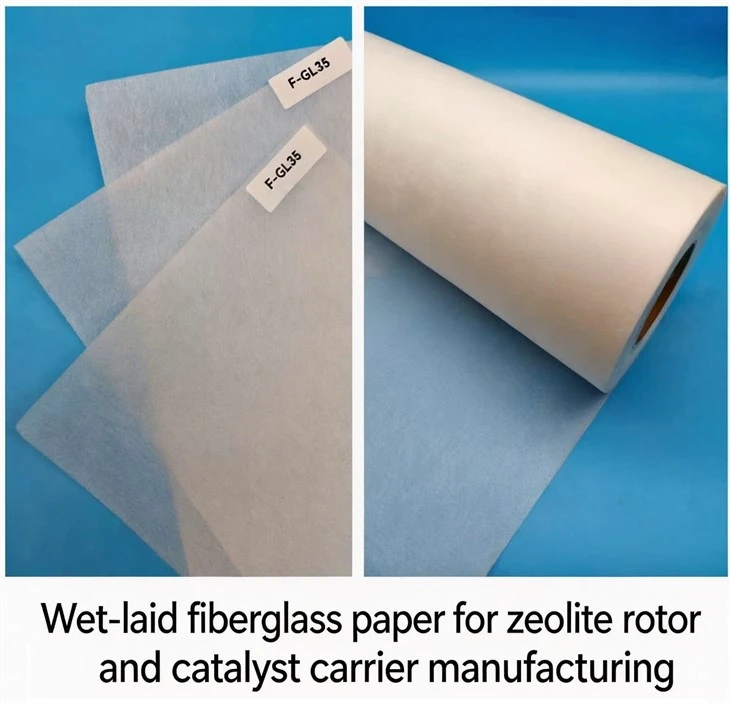
Fiberglass Paper for Zeolite Rotors & Catalyst Carriers
Nanjing EFG supplies wet-laid fiberglass paper engineered as the starting substrate for customers who manufacture their own corrugated media, honeycomb blocks or rotor carrier structures. The paper is designed for further conversion rather than as a finished functional rotor or catalyst element.
Its porous nonwoven glass-fiber structure combines forming capability, mechanical strength, wet-process handling and liquid intake for downstream corrugating, laminating, winding, stacking, impregnation or coating. Standard grades cover basis weights from 20 to 60 g/m², with additional specifications available for project-specific development.
This product is especially suited to customers that already have corrugating and honeycomb-forming capability and want to retain control of their own zeolite, desiccant, molecular sieve, catalyst or other functional-material formulations.
Features
Wet-Laid Starting Substrate for Functional Honeycomb Carrier Manufacturing
Functional honeycomb carriers are built through several material-conversion stages. For manufacturers that already have the ability to corrugate, laminate, wind or stack their own carrier structures, starting from fiberglass paper provides the greatest control over the downstream forming route and functional-material loading process.
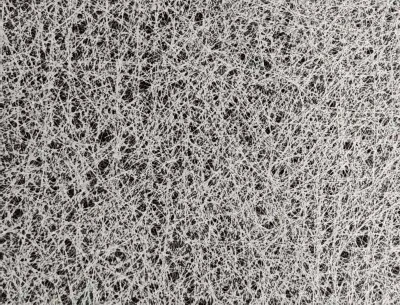
EFG fiberglass carrier paper is produced from chopped glass fibers by a wet-laid process. The resulting nonwoven porous structure is designed to support further processing while providing the liquid intake needed for later impregnation or coating with active materials. The paper can be converted into corrugated glass-fiber media and then into wound or stacked honeycomb structures.
Why This Paper Is Designed for Further Conversion
Forming Performance for Corrugating and Honeycomb Processing
The paper must remain sufficiently flexible and mechanically stable during corrugating and subsequent forming. EFG offers multiple basis weights and thickness levels so customers can evaluate the balance among paper handling, flute formation, wall construction and final honeycomb geometry.
Liquid Intake for Functional-Material Loading
The open nonwoven glass-fiber structure supports rapid and relatively even liquid uptake. This is important when the converted carrier will later be impregnated or coated with zeolite, desiccant, molecular sieve, catalyst or other functional formulations. Final loading performance depends on both the carrier and the customer's own liquid or slurry formulation and should be validated in the intended process.
Strength Balance for Handling and Wet Processing
Dry strength supports converting and handling, while wet strength helps the paper retain integrity during liquid contact and downstream impregnation. EFG provides several paper grades with different strength and thickness levels so customers can select a practical starting point for their forming process.
How This Product Fits into the EFG Carrier Platform
EFG supplies fiberglass honeycomb carrier materials at three processing stages, allowing customers to enter the manufacturing chain at the stage that matches their own equipment and technical capability:
Stage 1-Fiberglass Paper: for customers with in-house corrugating and honeycomb-forming capability.
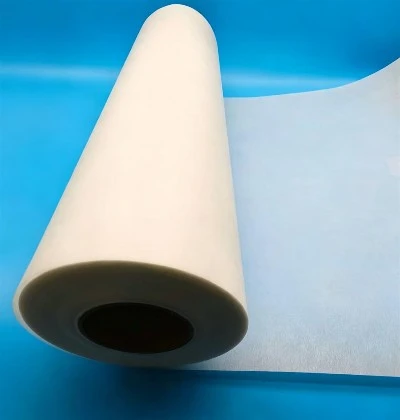
Stage 2-Corrugated Fiberglass Paper: for customers that want to skip the corrugating stage and proceed to winding or stacking.
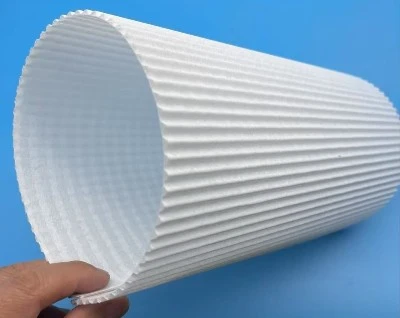
Stage 3-Fiberglass Honeycomb Substrate Blocks: for customers mainly focused on functional-material loading and final component development.
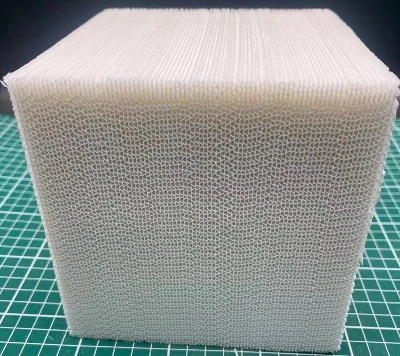
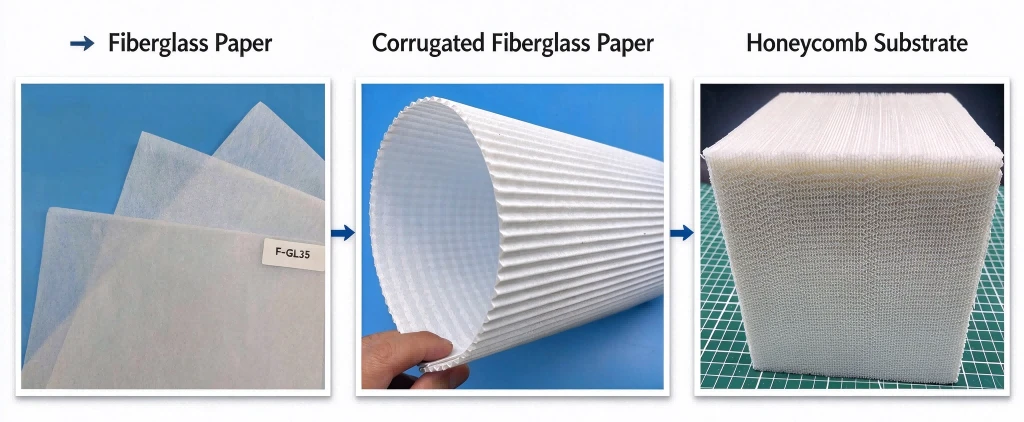
This page covers Stage 1 only. Customers that need a later supply stage can move directly to corrugated fiberglass paper or ready-formed honeycomb substrate blocks.
Technical Overview
|
Item |
Product Position / Technical Description |
|
Product form |
Wet-laid fiberglass paper supplied as the starting substrate for further conversion. |
|
Primary role |
Base paper for corrugating, laminating and subsequent honeycomb carrier manufacturing. |
|
Standard basis-weight range |
20, 25, 30, 40, 50 and 60 g/m² grades. |
|
Structure |
Porous nonwoven structure made from chopped glass fibers by a wet-laid process. |
|
Key process properties |
Forming performance, dry strength, wet strength and liquid intake. |
|
Typical next processes |
Corrugating → combining with flat paper → winding/stacking → honeycomb forming → functional-material loading. |
|
Functional materials after conversion |
Zeolite, desiccant, molecular sieve, catalyst and other customer-developed functional systems. |
|
Supply-stage position |
Stage 1 of the EFG Fiberglass Honeycomb Carrier Materials platform. |
|
Customization |
Other specifications can be developed according to customer requirements, subject to manufacturing feasibility and trial validation. |
Standard Technical Data
|
Product Code |
Basis Weight |
LOI |
Dry Strength MD |
Dry Strength CD |
Wet Strength 1* |
Wet Strength 2* |
Thickness |
|
F-GL20Z |
20 ± 2 |
14 ± 2 |
≥ 50 |
≥ 30 |
≥ 35 |
≥ 20 |
0.15 ± 0.015 |
|
F-GL25Z |
25 ± 2 |
13 ± 2 |
≥ 80 |
≥ 45 |
≥ 50 |
≥ 30 |
0.18 ± 0.015 |
|
F-GL30Z |
30 ± 2 |
14 ± 2 |
≥ 100 |
≥ 60 |
≥ 70 |
≥ 40 |
0.23 ± 0.015 |
|
F-GL40Z |
40 ± 2 |
13 ± 2 |
≥ 150 |
≥ 85 |
70–120 |
≥ 50 |
0.30 ± 0.015 |
|
F-GL50Z |
50 ± 3 |
13 ± 2 |
≥ 200 |
≥ 110 |
80–130 |
≥ 60 |
0.35 ± 0.015 |
|
F-GL60Z |
60 ± 3 |
13 ± 2 |
≥ 250 |
≥ 150 |
100–160 |
≥ 70 |
0.40 ± 0.02 |
Remark: Other specifications can be customized according to customer requirements.
Applications
After corrugating and honeycomb forming, this fiberglass paper can serve as the structural starting material for a range of functional carrier systems. The final suitability of any carrier depends on the customer's forming route, active-material formulation, loading process and operating conditions.
Zeolite Rotor & VOC Concentration
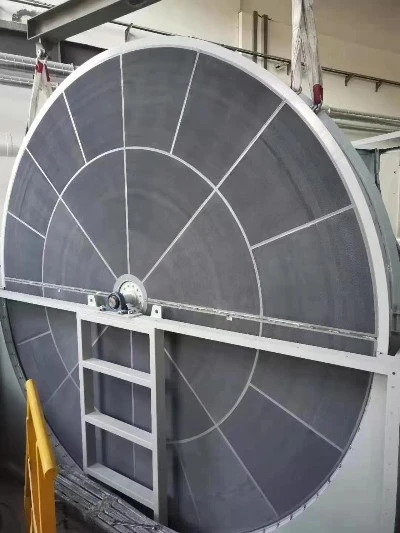
Converted fiberglass carrier structures can be used as substrates for zeolite loading in VOC concentrator rotor development. Customers with in-house carrier-forming capability can start from EFG fiberglass paper and retain control of corrugation, honeycomb geometry and zeolite functionalization.
Desiccant Rotor & Humidity Control
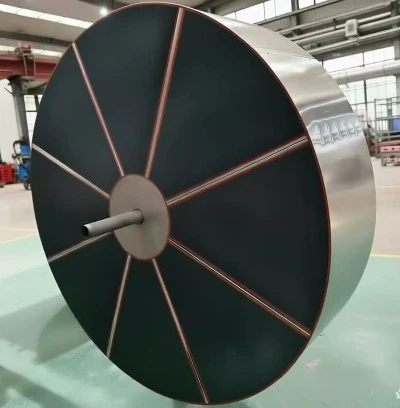
The paper can be converted into honeycomb carrier structures for loading silica gel, molecular sieve or other desiccant systems used in rotor dehumidification. Carrier selection should be validated against the customer's regeneration and humidity-control process.
SCR Catalyst Carrier Systems
Fiberglass honeycomb structures produced from this paper can be evaluated for selected SCR and related catalyst-carrier projects. Catalyst chemistry, loading, temperature, gas composition and erosion conditions require project-specific validation.
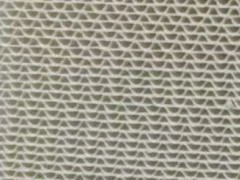
Molecular Sieve, Oxygen & Specialty Gas Treatment
Customers are using or evaluating glass-fiber carrier structures for molecular-sieve and other adsorbent systems in oxygen-related and specialty gas-treatment projects. The correct carrier structure depends on adsorption cycle, airflow, regeneration and functional-material loading.
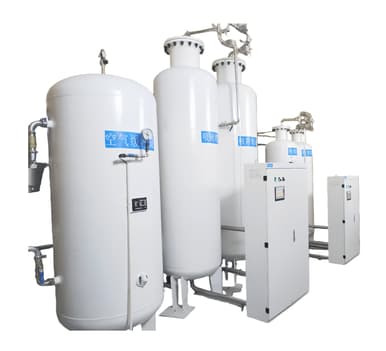

Emerging Carrier Development - MOF & Advanced Adsorbents
Customers are also evaluating corrugated fiberglass paper and fiberglass honeycomb carriers for MOF and other advanced adsorbents. Initial customer trials in selected projects have shown encouraging results. EFG treats this as a joint-development area and recommends carrier selection and validation around the customer's specific formulation and process.
Custom Fiberglass Carrier Paper Development
A carrier paper that works well in one production route may not be optimal in another. EFG can work with customers to adapt the starting paper around their converting process and functional-material loading requirements.
- Basis weight and thickness within practical manufacturing ranges
- Dry-strength and wet-strength balance for converting and impregnation
- Paper forming behavior for corrugating and downstream honeycomb processing
- Liquid-intake behavior for customer coating or impregnation systems
- Supply format for laboratory evaluation, pilot production and commercial manufacturing
- Project-specific trials linked to downstream corrugated paper or honeycomb carrier development
For confidential adsorbent, catalyst or desiccant projects, technical discussions can be conducted under NDA. Customers can share the process information needed for carrier selection while retaining ownership of proprietary functional formulations.
Packaging & Storage
Packaging
Standard export packing.
Storage
Store the product in a dry, ventilated and rainproof place at 5–35°C and 35–65% relative humidity. Keep unused material in its intact package to reduce the risk of moisture exposure.
FAQ
Q: What is Fiberglass Paper for Zeolite Rotors & Catalyst Carriers?
A: It is a wet-laid glass-fiber paper supplied as a starting substrate for customers that convert the paper into corrugated media and honeycomb carrier structures before loading zeolite, desiccants, molecular sieves, catalysts or other functional materials.
Q: How is this product different from general fiberglass paper?
A: This page focuses specifically on fiberglass paper intended for further carrier manufacturing. The broader Fiberglass Paper category includes other fiberglass-paper products and industrial uses that are not necessarily designed for honeycomb carrier conversion.
Q: How do I choose between fiberglass paper, corrugated fiberglass paper and honeycomb substrate blocks?
A: Choose according to your manufacturing capability. Start from fiberglass paper if you can corrugate and form the honeycomb yourself. Choose corrugated fiberglass paper if you can wind or stack the honeycomb but want to skip corrugating. Choose ready-formed honeycomb substrate blocks if your main capability is functional-material loading and final component development.
Q: What standard basis weights are available?
A: The current standard series includes 20, 25, 30, 40, 50 and 60 g/m² grades, each with corresponding strength and thickness values shown in the technical-data table.
Q: Can EFG customize the paper specification?
A: Yes. The existing product specification states that other specifications can be customized according to customer demand. Project development should confirm manufacturability and downstream performance through samples and trials.
Q: Can this paper be used for zeolite VOC rotors?
A: Yes, it is intended as a starting material for carrier structures used in zeolite rotor development. Final rotor performance depends on the customer's corrugation, honeycomb geometry, zeolite formulation, loading process and operating design.
Q: Can this paper be used for desiccant or molecular-sieve carriers?
A: Yes, after conversion into a suitable carrier structure it can be evaluated for desiccant, molecular-sieve and related adsorption systems. The carrier and functional formulation should be validated together.
Q: Can this paper be evaluated for SCR catalyst carrier systems?
A: Yes, converted fiberglass honeycomb structures can be evaluated for selected SCR and related catalyst systems. Operating temperature, gas composition, erosion, catalyst chemistry and loading method should be reviewed for each project.
Q: Can EFG support MOF or other advanced adsorbent development?
A: Customers are evaluating EFG corrugated fiberglass paper and honeycomb carrier structures with MOF and other advanced adsorbents. Initial results in selected projects have been encouraging, but EFG treats these as joint-development applications rather than a universal standard specification.
Q: Does EFG supply finished zeolite rotors or complete treatment systems?
A: The focus of this product is the carrier-material stage. EFG supports customers that want to keep control of their own functional formulation, loading process and final component technology.
Q: Can technical development be discussed under NDA?
A: Yes. Confidential carrier-development discussions can be conducted under NDA when the project involves proprietary catalyst, adsorbent, desiccant or process information.
Build Your Honeycomb Carrier from the Starting Paper Stage
If your team already has corrugating and honeycomb-forming capability, EFG can help you evaluate the paper basis weight, strength, thickness and liquid-intake behavior that best match your conversion process.
Hot Tags: fiberglass paper for zeolite rotors & catalyst carriers, China, manufacturers, suppliers, factory, fiberglass air filter, fibergalss filters, nested fiberglass filters
No Information
You Might Also Like


Send Inquiry
