


What effects does fiberglass have on the human body?
In general, commercial fiberglass used in industrial products is considered safe when handled and applied correctly.
According to long-term studies conducted by international research institutions, fibers that can penetrate deep into the lungs must meet specific conditions:
- A diameter smaller than 3 microns
- An aspect ratio greater than 5:1
Most fiberglass used in insulation materials, fabrics, and mats has a fiber diameter larger than 3 microns. This significantly reduces the risk of deep lung penetration and long-term respiratory harm. This is why fiberglass has been widely accepted and used in construction, thermal insulation, and industrial reinforcement applications.
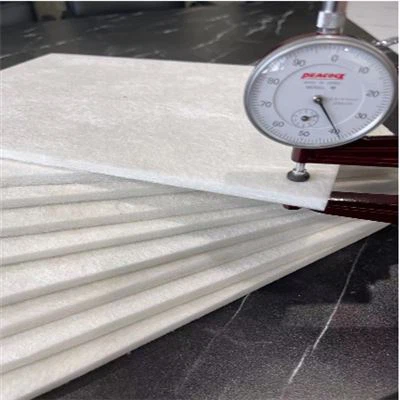
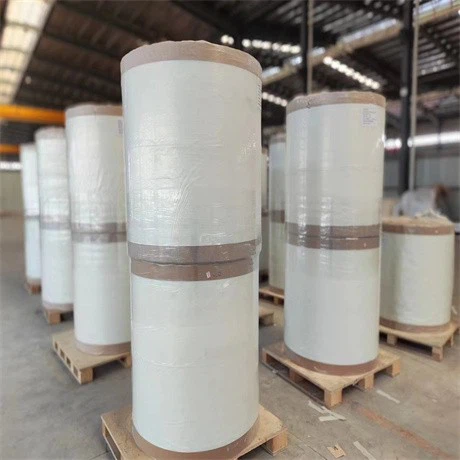
In practical industrial use, fiberglass is commonly processed into stable forms such as fiberglass mats, where fibers are bonded together. This structure improves handling safety, reduces airborne fiber release, and enhances overall material stability during installation and processing.
How Fiberglass Behaves in the Human Body
Research on the dissolution of fiberglass in the human body shows that micro-cracks formed on the fiber surface during manufacturing may gradually expand under the influence of weakly alkaline lung fluids. This process increases surface area, reduces fiber strength, and accelerates degradation.
Studies indicate that most inhaled fiberglass fibers can dissolve completely in the lungs within approximately 1.2 to 3 months, significantly lowering the risk of long-term accumulation.
Animal studies involving extremely high exposure levels-far exceeding typical industrial environments-have shown no clear evidence of increased lung cancer or severe pulmonary fibrosis. Large-scale health surveys among fiberglass industry workers in Europe, the United States, and China have also not identified a significant increase in serious lung diseases, although slightly reduced lung function has been observed in some long-term workers.
Skin and Short-Term Irritation Risks
While fiberglass does not pose a life-threatening health risk, direct contact with loose fibers may cause temporary irritation to the skin, eyes, or respiratory tract. Common symptoms include itching, coughing, or mild throat discomfort.
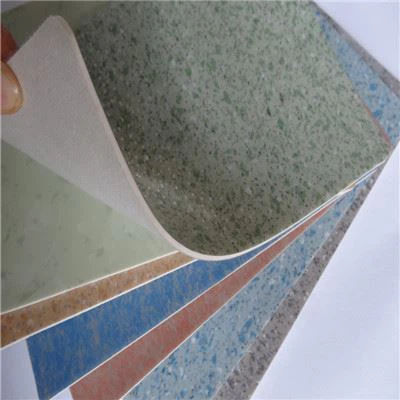
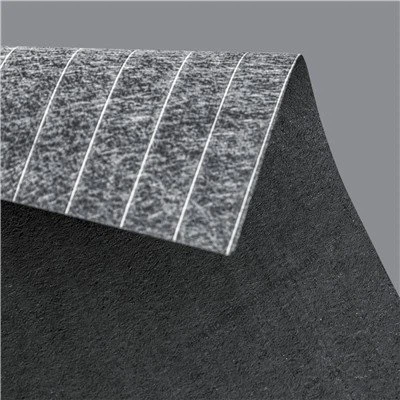
In industrial and construction environments, surface-treated materials such as coated fiberglass mats are often used to further improve handling safety and minimize direct fiber exposure. These treatments help reduce dust generation and improve user comfort during installation.
In most cases, irritation symptoms are temporary and will subside once exposure stops and proper protective measures are taken.
Conclusion
Fiberglass has been extensively studied and widely used across multiple industries for decades. When manufactured, processed, and applied in appropriate forms, fiberglass materials are considered safe and reliable for industrial, construction, and insulation applications.
Proper material selection, surface treatment, and standard protective practices remain key factors in ensuring safe and effective use.


