


Products
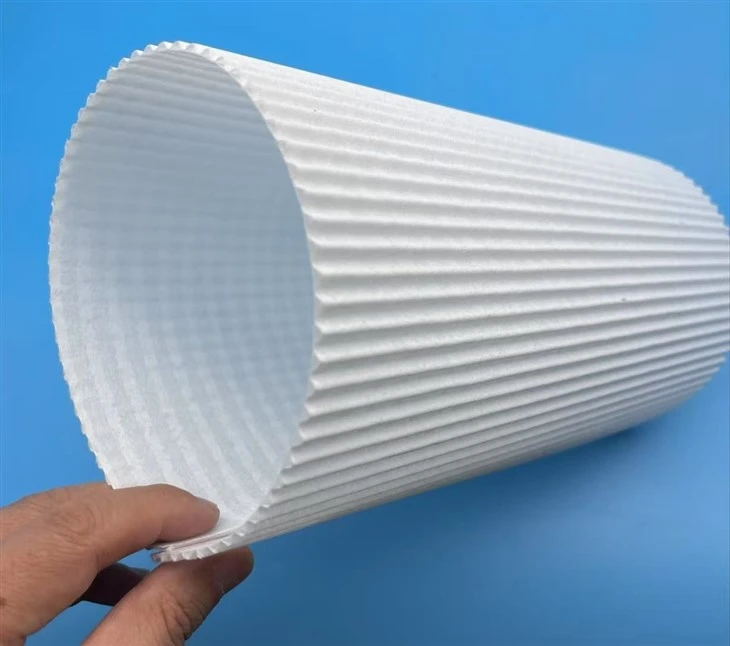
Corrugated Fiberglass Paper For Honeycomb Carriers
Nanjing EFG supplies pre-corrugated fiberglass paper for customers that manufacture their own honeycomb carrier structures but want to skip the fiberglass-paper corrugating stage. The material combines a corrugated glass-fiber paper layer with a flat glass-fiber paper layer, creating a two-layer structure that can be wound or stacked into honeycomb blocks. This intermediate supply stage reduces the need for customers to develop dedicated corrugating equipment and process know-how while still allowing them to control honeycomb forming, functional-material loading and final component design. EFG offers multiple base-paper weights and channel geometries to support different development routes. Corrugated fiberglass paper can be used as the structural media for carrier systems that are later functionalized with zeolite, desiccants, molecular sieves, catalysts, MOF or other customer-developed materials, subject to project-specific validation.
Features
Pre-Corrugated Carrier Media for Honeycomb Forming

EFG first produces wet-laid fiberglass paper from chopped glass fibers, then corrugates one layer and combines it with a flat glass-fiber paper layer to get the corrugated fiberglass paper. The resulting media can be supplied for subsequent winding or stacking into honeycomb structures.
Why Customers Use Pre-Corrugated Fiberglass Paper
Skip The Corrugating Stage
Customers can move directly from corrugated media to honeycomb forming instead of investing in or developing a dedicated fiberglass-paper corrugating process. This can shorten the upstream development route while preserving customer control over block geometry, functional-material loading and final component design.
Controlled Flute Geometry For Winding Or Stacking
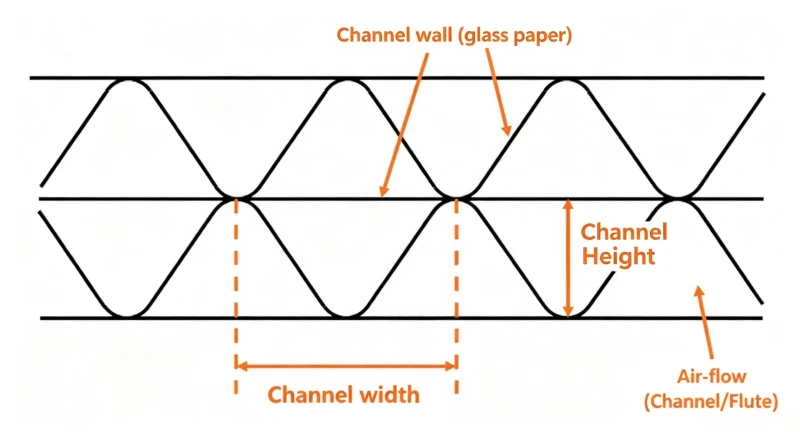
The corrugated layer defines the basic channel geometry that will become the open passages of the finished honeycomb structure. EFG offers multiple channel-height and channel-width options so customers can evaluate the geometry that best fits their airflow, contact-area, forming and functionalization requirements.
Liquid Intake For Downstream Functional-Material Loading
The glass-fiber paper structure provides liquid intake for later impregnation or coating. Once the corrugated media has been wound or stacked into a honeycomb carrier, customers can apply their own zeolite, desiccant, molecular sieve, catalyst or other active-material systems. Final loading uniformity and carrier stability depend on both the media and the customer's formulation, process and drying or curing route.
How This Product Fits into the EFG Carrier Platform
EFG supplies the fiberglass honeycomb carrier chain at three different processing stages:
- Stage 1 - Fiberglass Paper: for customers with in-house corrugating and honeycomb-forming capability.
- Stage 2 - Corrugated Fiberglass Paper: for customers that want to skip corrugating and proceed directly to winding, stacking or honeycomb forming.
- Stage 3 - Fiberglass Honeycomb Substrate Blocks: for customers mainly focused on functional-material loading and final component development.
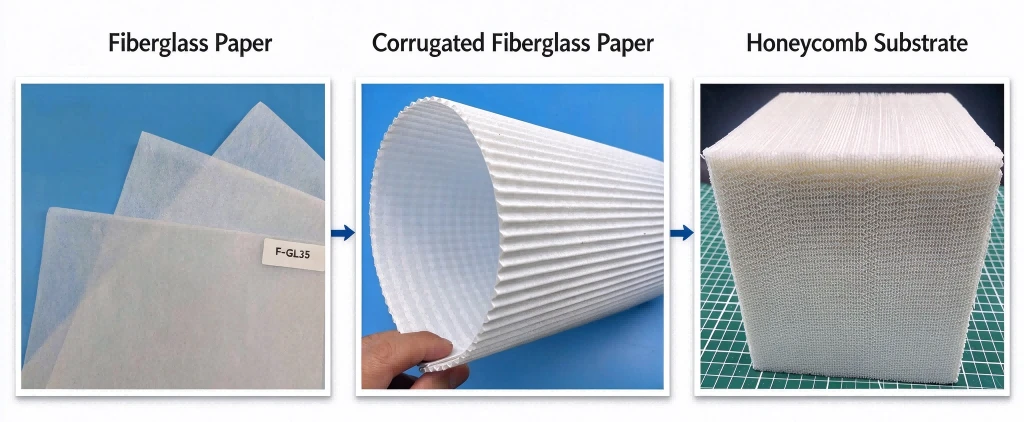
This page covers Stage 2. Customers that need more upstream control can start from fiberglass paper, while customers that prefer a ready-formed carrier can select fiberglass honeycomb substrate blocks.
Technical Overview
|
Item |
Product Position / Technical Description |
|
Product form |
Pre-corrugated glass-fiber carrier media supplied in a two-layer corrugated + flat structure. |
|
Manufacturing route |
Wet-laid fiberglass paper → corrugating of one layer → combining with a flat fiberglass paper layer. |
|
Primary role |
Intermediate material for winding or stacking into fiberglass honeycomb carrier structures. |
|
Supply-stage position |
Stage 2 of the EFG Fiberglass Honeycomb Carrier Materials platform. |
|
Base-paper options |
20, 25, 30, 40, 50 and 60 g/m². |
|
Geometry options |
Multiple channel-height and channel-width combinations are available. |
|
Key process properties |
Corrugated-form stability, mechanical durability, liquid intake and suitability for winding/stacking. |
|
Typical next process |
Winding or stacking → honeycomb block forming → functional-material impregnation/coating → drying/curing → final component development. |
|
Functional-material directions |
Zeolite, desiccant, molecular sieve, catalyst, MOF and other customer-developed active materials. |
|
Customization |
Base-paper grade and channel geometry can be selected or developed according to customer process requirements, subject to technical evaluation. |
Technical Data
Available Base-Paper Options
|
Available Basis Weight |
Use in Corrugated Carrier Development |
|
20 g/m² |
Lightweight base-paper option for customer evaluation. |
|
25 g/m² |
Base-paper option for customer-specific forming and loading trials. |
|
30 g/m² |
Base-paper option for customer-specific forming and loading trials. |
|
40 g/m² |
Base-paper option for applications requiring a heavier paper structure. |
|
50 g/m² |
Higher-basis-weight option for carrier development. |
|
60 g/m² |
Highest standard base-paper option listed in the current product series. |
| Remark: Final paper selection should be matched to corrugation, winding/stacking, functional-material loading and finished-carrier requirements. | |
Available Channel Geometry
|
Item |
Channel Height (mm) |
Channel Width (mm) |
Reference CPSI* |
|
1 |
1.3 |
2.9 |
342 |
|
2 |
1.5 |
3.0 |
287 |
|
3 |
1.6 |
3.2 |
252 |
|
4 |
1.7 |
3.4 |
223 |
|
5 |
2.0 |
4.2 |
154 |
|
6 |
2.2 |
4.8 |
122 |
|
7 |
2.7 |
6.0 |
80 |
|
8 |
3.0 |
6.3 |
68 |
|
9 |
3.3 |
6.98 |
56 |
|
10 |
4.2 |
8.22 |
37 |
|
11 |
5.1 |
10.0 |
25 |
|
12 |
5.6 |
10.71 |
22 |
|
13 |
6.4 |
12.0 |
17 |
|
14 |
7.6 |
12.0 |
14 |
|
* CPSI values are presented as reference geometry values from the current EFG company technical material. Final carrier performance depends on the complete honeycomb structure, functional loading and operating conditions. |
|||
Applications
After winding or stacking into honeycomb carrier structures, corrugated fiberglass paper can support a range of functional-material systems. The correct geometry and paper selection should be validated together with the customer's loading process and operating conditions.
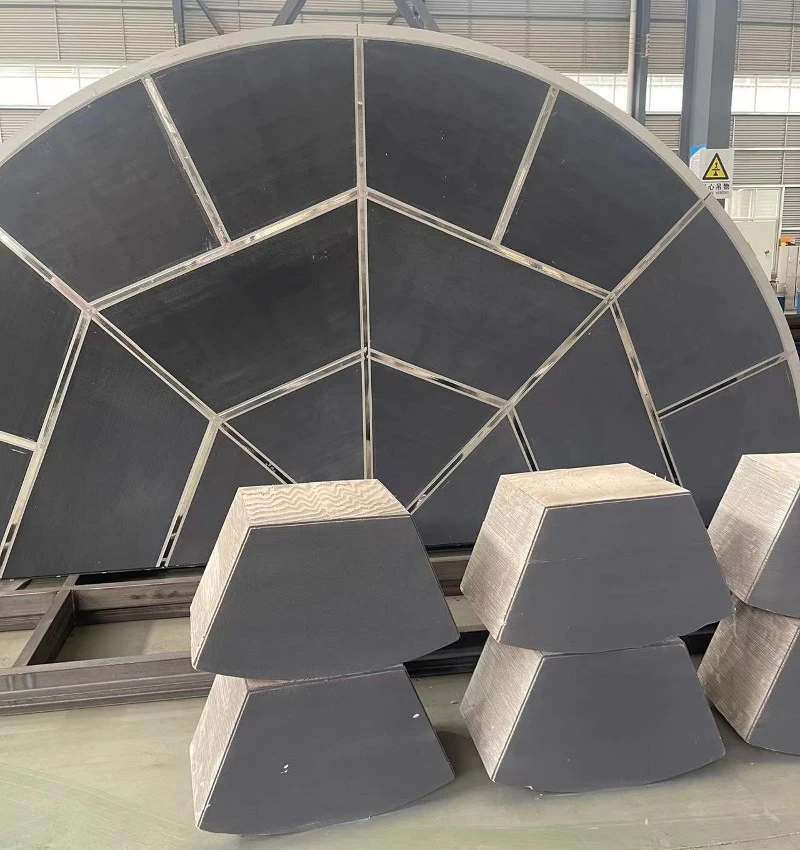
Zeolite Rotor & VOC Concentration
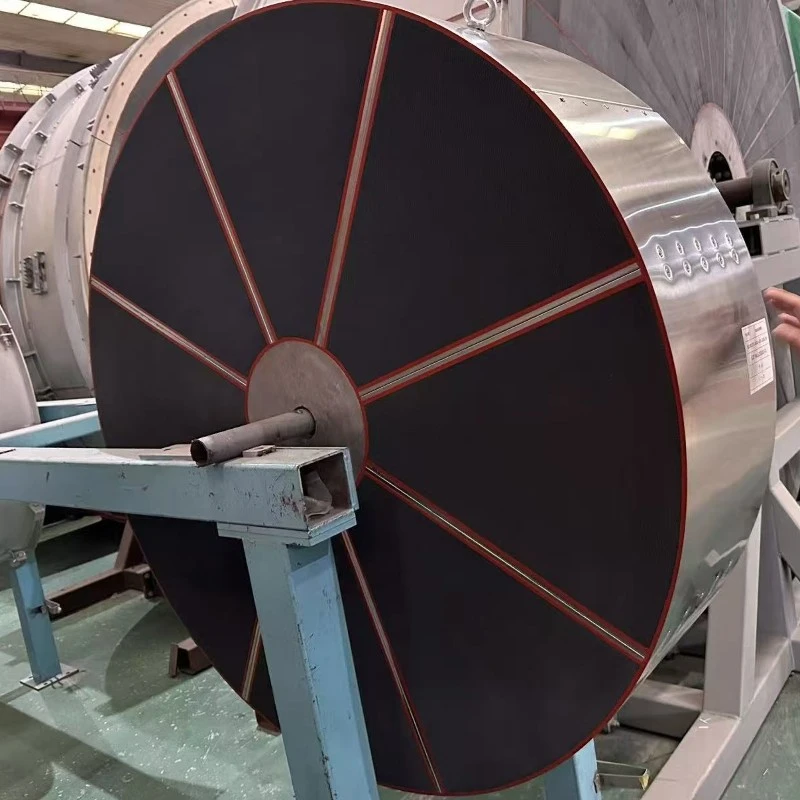
Corrugated fiberglass paper can be wound into carrier structures for later zeolite loading in VOC concentrator rotor development. Customers retain control of rotor geometry, zeolite formulation, loading and regeneration design while avoiding the upstream paper-corrugating step.
Desiccant Rotor & Humidity Control
The media can be formed into honeycomb structures for loading silica gel, molecular sieve or other desiccant systems. Channel geometry, liquid intake, dimensional stability and regeneration conditions should be considered together.
SCR Catalyst Carrier Systems
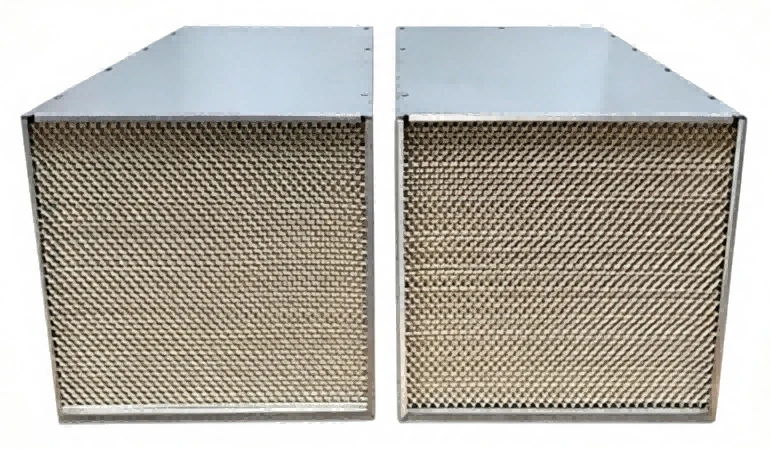
Corrugated glass-fiber media can be formed into honeycomb carriers for selected SCR and related catalyst projects. Catalyst chemistry, operating temperature, erosion, gas composition and loading method require project-specific validation.
Molecular Sieve, Oxygen & Specialty Gas Treatment
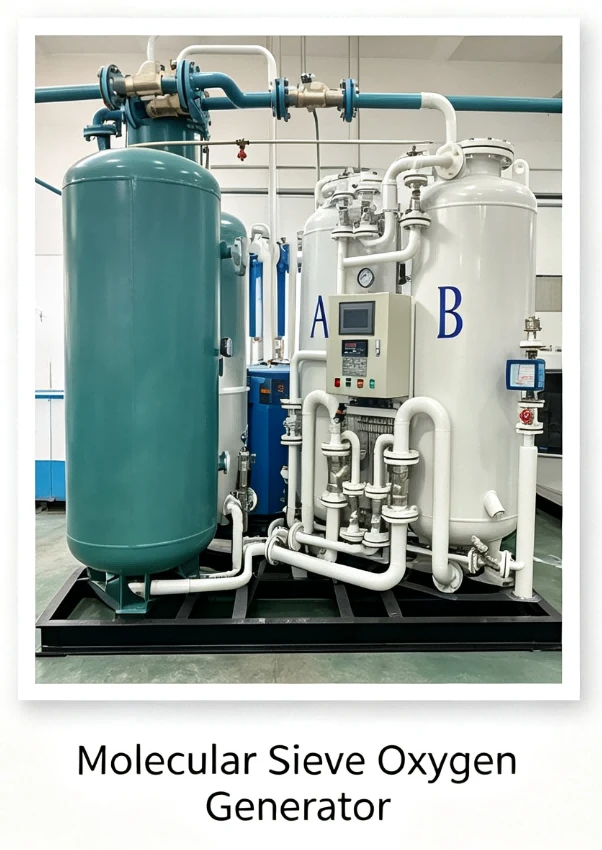
Customers are using or evaluating corrugated fiberglass media in molecular-sieve and other adsorbent carrier projects for oxygen-related and specialty gas-treatment systems. Adsorption cycle, regeneration method, airflow and final equipment design should guide carrier selection.
Emerging Carrier Development - MOF & Advanced Adsorbents
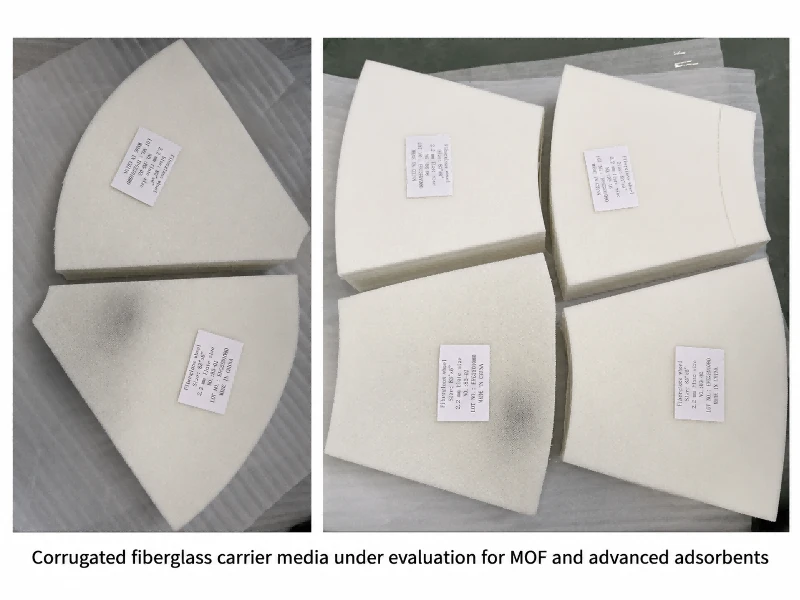
Customers are also evaluating EFG corrugated fiberglass paper as a structural carrier media for MOF and other advanced adsorbents. Initial customer trials in selected projects have shown encouraging results. EFG treats this area as joint development and recommends project-specific sampling, forming and functionalization trials.
Let's explore a project involving a new type of adsorbent carrier.
Custom Corrugated Fiberglass Carrier Media
Custom Corrugated Fiberglass Carrier Media
Honeycomb carrier development depends on both the paper structure and the channel geometry. EFG can work with customers to select or adapt corrugated fiberglass media around their forming route and functional-material system.
- Base-paper basis weight selection from the current standard range
- Channel height and channel width selection
- Winding or stacking route and target honeycomb geometry
- Corrugated-media handling and flute-shape stability requirements
- Liquid / slurry intake behavior for downstream impregnation or coating
- Compatibility trials for zeolite, desiccant, molecular sieve, catalyst, MOF and other functional materials
- Pilot-scale sample supply before commercial specification finalization
For confidential adsorbent, catalyst or desiccant projects, development discussions can be conducted under NDA. Customers can provide the process information needed for carrier selection while retaining ownership of proprietary formulations and downstream technology.
Build the Honeycomb - Without Building the Corrugating Process
If you already have winding, stacking or honeycomb-forming capability, EFG corrugated fiberglass paper can help you move directly into carrier forming and functional-material development. Share your target channel geometry, base-paper preference, active material and downstream process with our team.
Support Line: Need to protect a proprietary adsorbent or catalyst formulation? Ask about NDA-based joint development.
Packaging & Storage
Packaging
Packaging format is selected according to roll dimensions, order quantity and export-shipping requirements. Please contact EFG for the current packing specification for your selected corrugated-paper grade and channel geometry.
Storage
Keep the material dry and protected from moisture, crushing and deformation during storage and handling. Detailed storage and handling requirements can be confirmed with EFG according to the selected product format.
FAQ
Q: What is corrugated fiberglass paper?
A: Corrugated fiberglass paper is pre-formed glass-fiber carrier media made by corrugating one fiberglass-paper layer and combining it with a flat fiberglass-paper layer. It is supplied for further winding or stacking into honeycomb structures.
Q: What is the main advantage of buying pre-corrugated fiberglass paper?
A: It allows customers with honeycomb-forming capability to skip the fiberglass-paper corrugating stage and proceed directly to winding, stacking or block forming while keeping control of downstream functional-material loading and final component design.
Q: How is this product different from fiberglass paper?
A: Fiberglass paper is the Stage 1 starting substrate and still requires corrugating before honeycomb forming. Corrugated fiberglass paper is Stage 2 and has already completed the corrugating step.
Q: How is this product different from a fiberglass honeycomb substrate block?
A: Corrugated fiberglass paper still requires winding or stacking into a honeycomb structure. A fiberglass honeycomb substrate block is a Stage 3 ready-formed carrier that can proceed directly to functional-material loading.
Q: What base-paper weights are available?
A: The current standard corrugated-paper series can be produced using 20, 25, 30, 40, 50 and 60 g/m² fiberglass paper options.
Q: What channel sizes are available?
A: EFG currently lists multiple channel geometries with channel heights from 1.3 to 7.6 mm and corresponding widths from 2.9 to 12 mm. Final geometry should be selected according to the customer's forming, airflow, contact-area and functionalization requirements.
Q: Can corrugated fiberglass paper be used for zeolite VOC rotor development?
A: Yes. It can be wound into honeycomb carrier structures for later zeolite loading. Final rotor performance depends on the customer's carrier geometry, zeolite formulation, loading process and equipment design.
Q: Can it be used for desiccant or molecular-sieve carrier systems?
A: Yes. After honeycomb forming, the media can be evaluated for desiccant, molecular-sieve and related adsorption systems. The carrier geometry and functional formulation should be validated together.
Q: Can it be evaluated for SCR catalyst carriers?
A: Yes, corrugated glass-fiber media can be formed into honeycomb structures for selected SCR and related catalyst systems. Application-specific validation should consider catalyst chemistry, temperature, erosion, gas composition and loading method.
Q: Can EFG support MOF or other advanced adsorbent development?
A: Customers are evaluating EFG corrugated fiberglass paper with MOF and other advanced adsorbents, and initial results in selected projects have been encouraging. EFG treats these projects as joint-development applications rather than a universal standard specification.
Q: Can EFG customize channel geometry?
A: EFG offers multiple standard channel-height and channel-width combinations and can discuss project-specific geometry or paper combinations subject to manufacturing feasibility and validation.
Q: Can confidential carrier-development projects be discussed under NDA?
A: Yes. EFG can discuss confidential carrier-development projects under NDA when the customer's adsorbent, catalyst, desiccant or processing information is proprietary.
Request Samples / Channel Options
Hot Tags: Corrugated Fiberglass Paper, Corrugated Glass Fiber Paper, Honeycomb Carrier Media, Pre-Corrugated Fiberglass Media, Fiberglass Honeycomb Forming, Zeolite Rotor Carrier Media, Desiccant Rotor Carrier, Catalyst Carrier Media, Molecular Sieve Carrier, Gas Treatment Carrier Media, MOF Carrier Development, Custom Honeycomb Carrier Media
No Information
You Might Also Like


Send Inquiry
